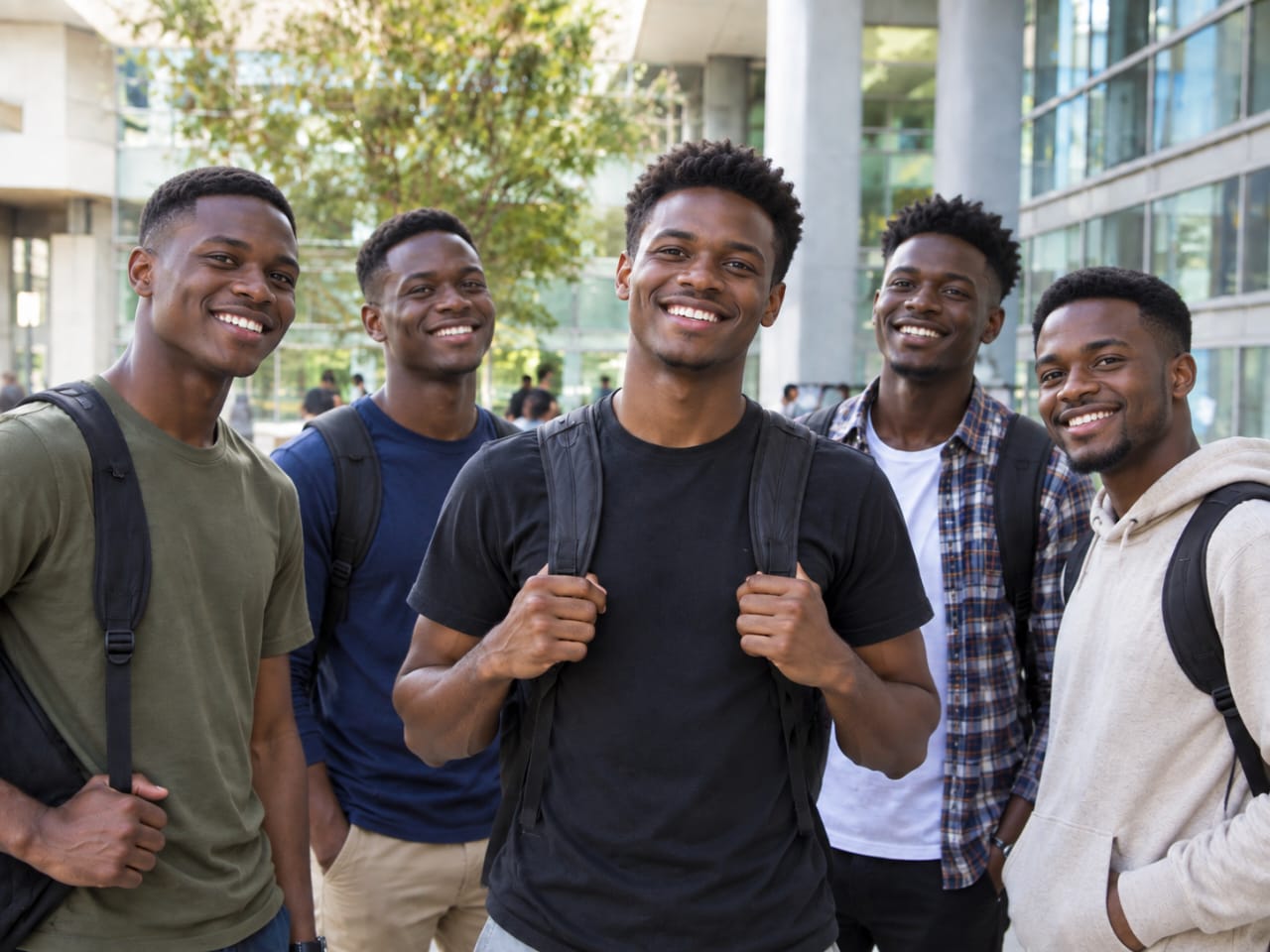
School is not only a place where students acquire academic knowledge; it is also an environment where they build friendships, develop identities, and learn social behaviours.
During adolescence and early adulthood, students become increasingly influenced by the people around them. Friends and classmates can shape their attitudes, decisions, habits, and even their academic goals.
Peer influence has always existed among students, but in recent years, its impact has become more noticeable due to increased social interaction, digital platforms, and changing societal values.
While peer influence can sometimes motivate students positively, excessive negative influence can become a major barrier to academic success.
Peer influence refers to the effect that individuals of similar age or social groups have on one another’s choices, behaviours, and attitudes.
Students often look to their friends for acceptance, support, and guidance. The desire to belong can sometimes lead them to adopt certain behaviours, even when those behaviours conflict with their personal goals or academic responsibilities.
A student may begin changing their study habits, priorities, dressing style, language, or lifestyle choices because of the expectations of their friends.
In many cases, students may not even recognize the extent to which their peers are influencing their decisions.
Social media platforms have created a new dimension of peer influence. Students are constantly exposed to the opinions, lifestyles, achievements, and trends of their peers.
The pressure to follow popular trends, gain acceptance, or maintain a certain image online can affect students’ concentration and academic priorities.
Many students spend excessive time engaging with social media discussions, entertainment, and online communities, reducing the time available for studying and academic preparation.
Every student wants to feel accepted by their peers. This desire can sometimes push students into making choices based on what their friends approve of rather than what benefits their future.
Some students may avoid studying because their friends consider academic dedication as being “too serious” or “uncool.”
In some student environments, academic excellence may no longer receive the same level of recognition as popularity, wealth, fashion, or social status.
Students may begin prioritizing social recognition over educational achievement.
Peer influence is not always harmful. The right group of friends can improve a student’s academic performance in several ways.
Students surrounded by hardworking and goal-oriented peers are more likely to develop positive academic habits.
Friends can encourage one another to attend classes, complete assignments, and prepare for examinations.
Positive peer relationships can promote group discussions, study groups, and knowledge sharing. Students can learn from one another and improve their understanding of difficult subjects.
Supportive peers can help students overcome academic challenges by providing encouragement and emotional support.
Despite its benefits, negative peer influence remains a serious challenge among students.
Students associate with peers who do not value education may gradually reduce their commitment to studying. They may spend more time socializing, engaging in entertainment, or participating in activities that interfere with academic responsibilities.
Some students may skip classes because their friends encourage them to engage in other activities. Frequent absence from lectures or lessons can lead to poor understanding of subjects and reduced academic performance.
Negative peer groups can encourage unethical behaviours such as examination malpractice, plagiarism, and copying assignments. Students may participate in these actions to maintain acceptance within their social circle.
Some students are introduced to harmful behaviours through peer pressure, including substance abuse and excessive partying. These behaviours can affect concentration, mental well-being, and overall academic progress.
When students constantly follow the opinions and expectations of their peers, they may lose focus on their individual ambitions.
They may make decisions based on group approval rather than their own educational objectives.
Parents should maintain open communication with their children and help them develop confidence to make independent decisions.
Teachers should create supportive learning environments where academic achievement is valued and encouraged.
Schools can also organize mentorship programs, counselling sessions, and leadership activities that help students develop critical thinking and resist harmful peer pressure.
Students can protect their academic success by: Choosing friends who have positive goals and values. Learning to say no to activities that affect their studies.Setting personal academic goals. Balancing social life with educational responsibilities. Developing confidence in their own decisions.
Peer influence is a powerful force in the lives of students. While positive peer relationships can inspire academic growth, negative influences can weaken motivation, reduce academic commitment, and affect future opportunities.
The solution is not to eliminate friendships or social interactions but to encourage students to build relationships that support personal development and academic success.
Students must understand that the people they surround themselves with can either contribute to their growth or become obstacles to achieving their dreams.
Choosing the right peers is therefore an important step toward educational excellence.
Nneka Charles.


Comments