WHO Backs Maternal RSV Vaccine: New Hope for Protecting Babies Before Birth
A major step has been taken in the fight against severe respiratory illness in newborns and young infants as the World Health Organization (WHO) strengthens global access to a maternal vaccine against Respiratory Syncytial Virus (RSV).
On 9 September 2026, WHO prequalified a multi-dose presentation of the maternal RSV vaccine, RSVpreF (ABRYSVO®). The move is expected to make the vaccine more affordable and easier for countries, particularly low- and middle-income countries, to introduce into their immunization programmes.
What is RSV?
Respiratory Syncytial Virus, commonly called RSV, is a highly infectious virus that can cause respiratory infections.
For many older children and adults, RSV may cause symptoms similar to an ordinary cold. However, the infection can become severe in newborns and young infants, sometimes causing bronchiolitis, pneumonia, difficulty breathing and hospitalization.
WHO estimates that RSV causes more than 3.6 million hospitalizations and approximately 100,000 deaths among children under five every year. Almost half of these deaths occur in babies younger than six months, while about 97% of RSV deaths occur in low- and middle-income countries.
How does the maternal RSV vaccine protect a baby?
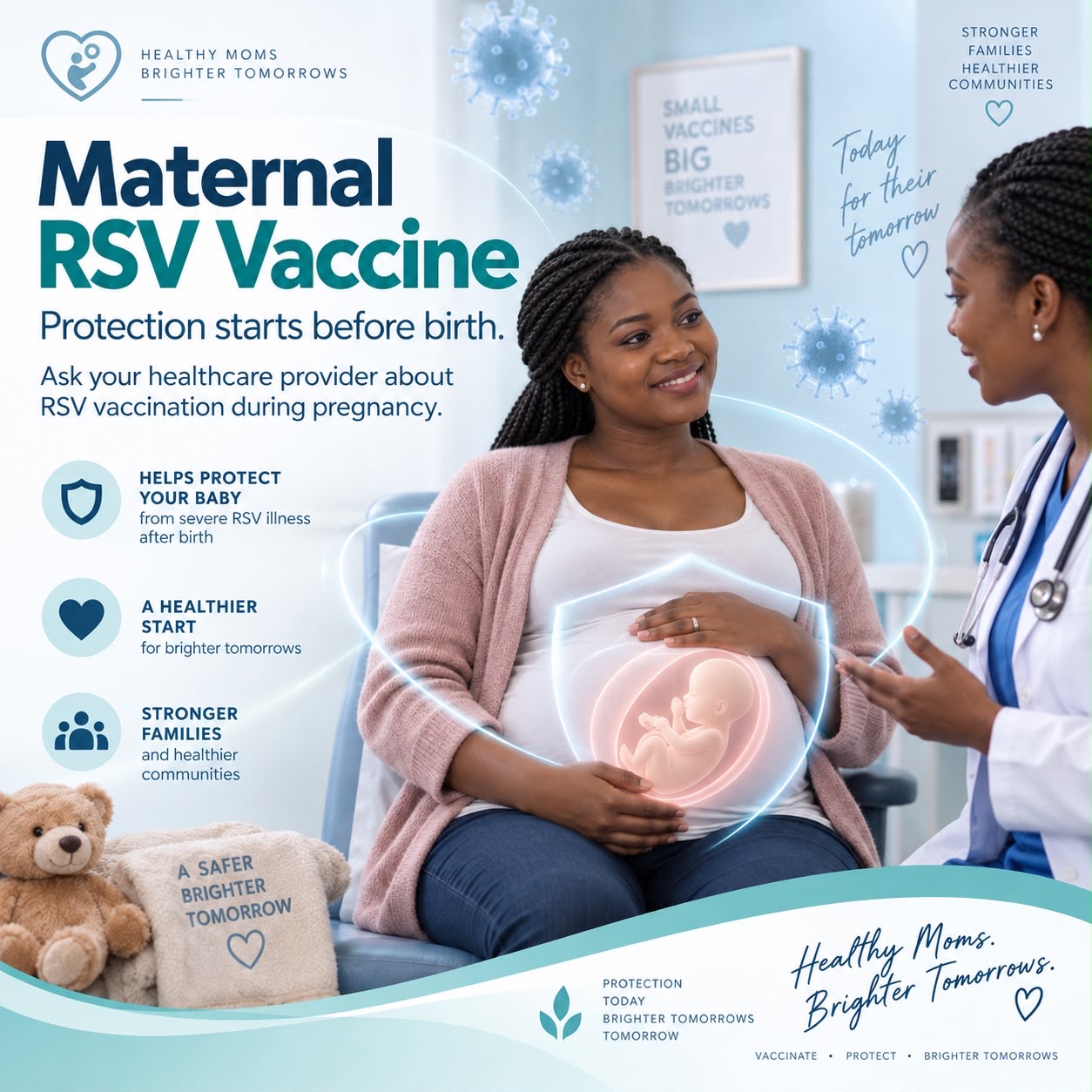
The important thing about this vaccine is that the mother receives the vaccine during pregnancy, but the main target of protection is the baby.
When a pregnant woman receives the RSV vaccine, her immune system produces antibodies against RSV. These antibodies can cross the placenta and reach the unborn baby before birth.
This gives the baby passive protection during the vulnerable first months of life, when severe RSV infection can be particularly dangerous.
WHO recommends a single dose during the third trimester, generally from 28 weeks of pregnancy onwards, depending on national guidelines.
How effective is it?
Evidence reviewed by WHO shows that maternal RSV vaccination can substantially reduce severe RSV disease in young infants.
WHO reports that RSVpreF reduced severe RSV illness requiring medical care by approximately 82% during the first three months of life and 70% during the first six months. RSV-related hospitalizations were reduced by more than 55% during the first six months.
The protection is particularly valuable because the first six months of life are among the periods when babies are most vulnerable to severe RSV disease.
Why is WHO’s latest announcement important?
The vaccine itself is not entirely new. WHO first prequalified the single-dose presentation of RSVpreF in March 2025. The latest development is the prequalification of a multi-dose vial presentation.
The multi-dose presentation is expected to:
This is particularly significant for Africa, where the burden of severe RSV disease and childhood deaths is disproportionately high.
WHO recommends vaccination during pregnancy but what about the baby?
WHO currently recognizes two major approaches for protecting young infants against severe RSV disease:
1. Maternal RSV vaccination:
The pregnant woman receives RSVpreF during the third trimester, allowing antibodies to pass to the baby before birth.
2. Nirsevimab:
The baby receives a long-acting monoclonal antibody after birth to provide direct passive protection.
WHO recommends that countries introduce either the maternal vaccine or an appropriate monoclonal antibody programme, depending on factors such as cost, supply, feasibility and expected vaccination coverage. They are generally not both required for the same mother-baby pair.
Is the maternal RSV vaccine safe?
WHO’s safety monitoring continues, as it does with vaccines introduced during pregnancy.
The available evidence indicates that the vaccine is generally well tolerated, with common side effects including pain at the injection site, fatigue and fever. WHO continues to monitor safety, including pregnancy and birth outcomes, as countries introduce the vaccine.
WHO’s vaccine-safety committee previously examined a numerical imbalance in preterm births observed in a clinical trial. WHO reported that the difference was not statistically significant and did not establish a causal relationship between vaccination and preterm birth. Continued post-licensure safety monitoring remains important.
What does this mean for Nigeria?
For countries such as Nigeria, the development could eventually make maternal RSV vaccination more practical if it is adopted into the national immunization programme.
However, WHO prequalification does not automatically mean that the vaccine has been added to Nigeria’s routine antenatal vaccination schedule. Decisions about introduction, eligibility, timing, financing and availability are made at the national level.
For pregnant women, the appropriate step is to discuss RSV vaccination with their healthcare provider and follow the recommendations of the Nigerian health authorities when the vaccine becomes available through the national programme.
A vaccine given to a mother, protection passed to a baby
Maternal vaccination demonstrates an important principle in modern preventive medicine: sometimes protecting a baby begins before the baby is born.
With WHO’s latest prequalification of the multi-dose RSV vaccine presentation, there is now another opportunity to make protection against severe RSV disease more accessible to mothers and babies around the world.
The goal is simple: fewer severe RSV infections, fewer hospitalizations and more babies protected during the vulnerable first months of life.
Note: RSV vaccination recommendations and availability can differ between countries. Pregnant women should consult their antenatal-care provider or relevant national health authority before receiving the vaccine.


Comments